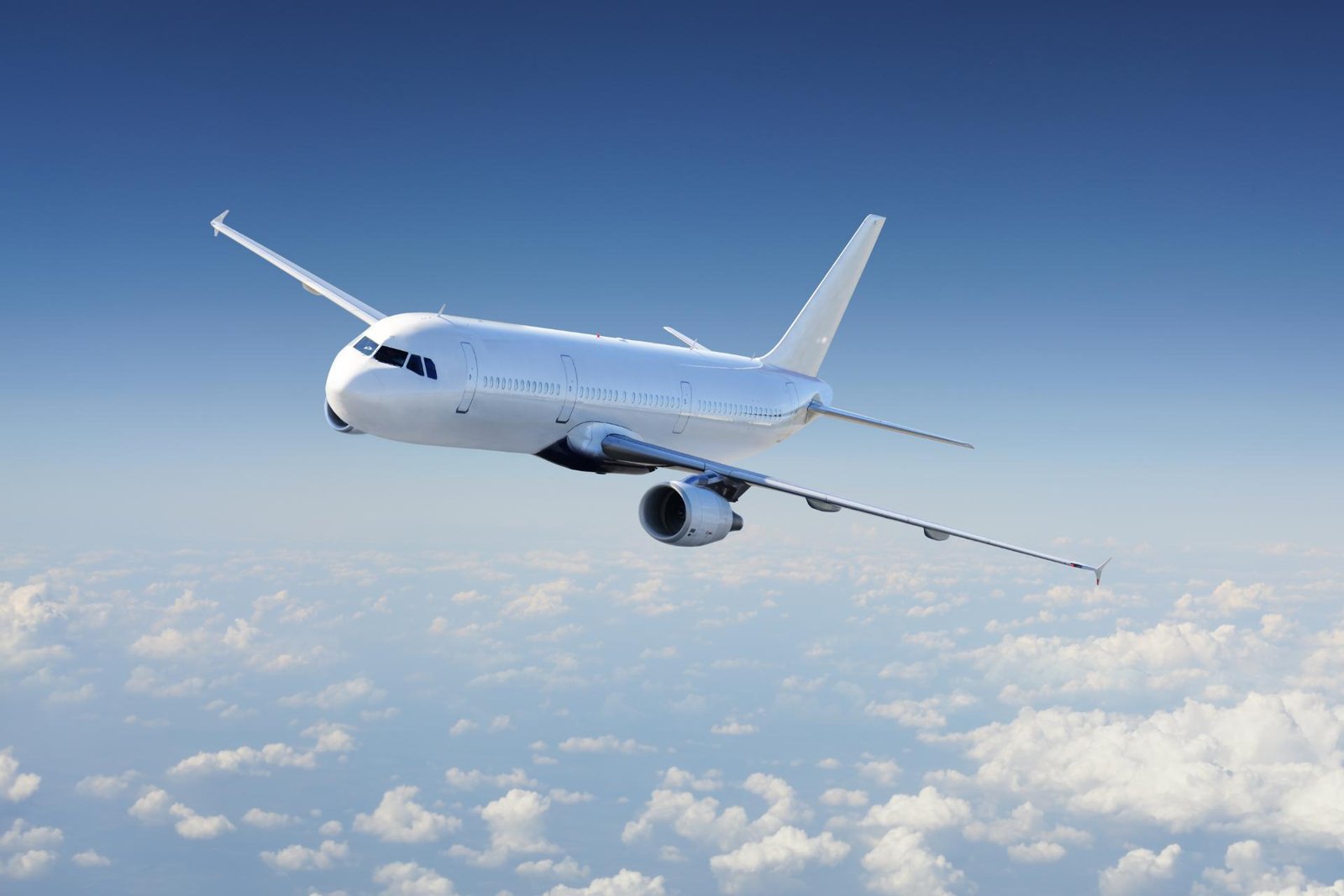
aircraft
Introduction
Imagine traveling thousands of miles in just a few hours—a journey that once took weeks or even months. Thanks to aircraft, the world has become more connected than ever before. From commercial airlines and military fighter jets to cargo planes and helicopters, aircraft play a vital role in transportation, defense, emergency services, tourism, and global commerce.
Modern aircaft are engineering masterpieces that combine aerodynamics, advanced materials, powerful engines, and cutting-edge navigation systems. Every day, millions of people rely on aircraft for safe, efficient, and comfortable travel. Businesses depend on them for rapid logistics, while governments use them for national security, disaster relief, and humanitarian missions.
In this comprehensive guide, you’ll discover everything you need to know about aircaft, including their history, major types, essential components, working principles, and the exciting innovations shaping the future of aviation.
What Is an Aircraft?
An aircraft is any vehicle designed to travel through the Earth’s atmosphere by generating lift or remaining airborne using aerodynamic forces. Unlike ground vehicles, aircraft operate in three-dimensional space, allowing them to overcome geographical barriers such as oceans, mountains, and deserts.
Aircraft are designed for various purposes, including:
- Passenger transportation
- Cargo delivery
- Military operations
- Scientific research
- Emergency medical services
- Agriculture
- Firefighting
- Tourism and recreation
Depending on their design and mission, aircraft can be powered by jet engines, propeller engines, electric motors, or even gliders that fly without continuous engine power.
The History of Aircraft
The dream of human flight dates back thousands of years, but practical aviation became a reality in the early twentieth century.
Early Flight Experiments
Inventors around the world experimented with gliders, balloons, and flying machines long before powered flight became possible. These early attempts laid the foundation for modern aviation.
The Birth of Powered Flight
The first successful powered airplane demonstrated that controlled, sustained flight was achievable. This breakthrough revolutionized transportation and inspired rapid advancements in aircraft engineering.
Growth During the 20th Century
As aviation technology improved, aircraft became faster, safer, and more reliable. Military demands accelerated innovation during wartime, while commercial aviation expanded rapidly after World War II.
The introduction of jet engines dramatically reduced travel times, making international air travel accessible to millions of people.
Modern Aviation
Today’s aircraft feature lightweight composite materials, advanced avionics, fuel-efficient engines, and sophisticated autopilot systems that improve safety, efficiency, and passenger comfort.
Types of Aircraft
Different aircraft are designed for specific missions. Understanding these categories helps explain their unique features and capabilities.
1. Commercial Airplanes
Commercial airplanes transport passengers between cities and countries. These aircrft are built for comfort, fuel efficiency, and long-distance travel.
Common characteristics include:
- Large passenger capacity
- High cruising speed
- Advanced navigation systems
- Multiple safety features
- Long operational lifespan
2. Cargo Aircraft
Cargo aircraft are specifically designed to transport goods instead of passengers.
They often feature:
- Wide cargo doors
- Reinforced floors
- High payload capacity
- Efficient loading systems
Cargo planes play a critical role in global supply chains and e-commerce.
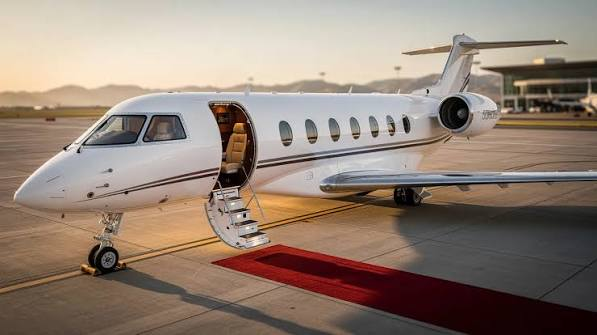
3. Private Jets
Private jets provide luxury and flexibility for business executives, government officials, and high-net-worth individuals.
Their advantages include:
- Faster boarding
- Access to smaller airports
- Personalized schedules
- Enhanced privacy
4. Military Aircraft
Military aircraft perform specialized missions such as:
- Combat operations
- Surveillance
- Air defense
- Troop transportation
- Aerial refueling
- Intelligence gathering
These aircraft prioritize speed, maneuverability, and advanced defense technologies.
5. Helicopters
Unlike airplanes, helicopters use rotating blades instead of fixed wings.
They excel at:
- Vertical takeoff
- Hovering
- Rescue missions
- Medical evacuations
- Construction work
- Offshore transportation
Helicopters are especially valuable where runways are unavailable.
6. Unmanned Aerial Vehicles (Drones)
Drones have become increasingly popular across numerous industries.
Applications include:
- Photography
- Agriculture
- Infrastructure inspection
- Security monitoring
- Package delivery
- Scientific research
Their versatility continues to expand as technology advances.
Major Components of an Aircraft
Every aircraft consists of carefully engineered components that work together to ensure safe and efficient flight.
Fuselage
The fuselage forms the main body of the aircraft. It houses passengers, cargo, cockpit controls, and many essential systems.
Modern fuselages are designed to maximize strength while minimizing weight.
Wings
Wings generate the lift necessary for flight.
Their aerodynamic shape allows air to move faster over the top surface than underneath, creating the pressure difference required to keep the aircraft airborne.
Many wings also contain fuel tanks and movable control surfaces.
Engines
Aircrft engines provide the thrust needed for takeoff, climbing, cruising, and landing.
Different aircraft may use:
- Turbojet engines
- Turbofan engines
- Turboprop engines
- Piston engines
- Electric propulsion systems
Engine efficiency significantly impacts operating costs and environmental performance.
Tail Section
The tail helps stabilize the aircraft during flight.
It includes:
- Vertical stabilizer
- Rudder
- Horizontal stabilizer
- Elevators
These surfaces help maintain direction and control pitch.
Landing Gear
Landing gear supports the aircraft during taxiing, takeoff, and landing.
Many commercial aircraft use retractable landing gear to reduce drag during flight.
Cockpit
The cockpit serves as the command center where pilots monitor aircraft systems and control flight operations.
Modern cockpits feature digital displays, advanced navigation equipment, weather radar, and automated flight management systems.
How Aircraft Fly
One of the most fascinating aspects of aviation is understanding how such massive machines remain airborne.
Aircraft flight depends on four fundamental aerodynamic forces.
Lift
Lift is the upward force generated by the wings.
As air flows around the specially designed wing shape, pressure differences create enough upward force to overcome the aircraft’s weight.
Weight
Weight is the downward force caused by gravity.
Engineers carefully balance aircraft weight with lift to achieve stable flight.
Thrust
Thrust moves the aircraft forward.
Jet engines or propellers generate thrust, allowing air to flow over the wings and produce lift.
Drag
Drag is the resistance created as the aircraft moves through the air.
Aircraft designers minimize drag using streamlined shapes, smooth surfaces, and efficient wing designs to improve fuel economy and performance.
Together, these four forces work continuously throughout every phase of flight. When lift exceeds weight and thrust overcomes drag, an aircraft can climb, cruise efficiently, and travel safely across vast distances.
Uses of Aircraft in Different Industries
Aircrft have evolved far beyond passenger transportation. Today, they are essential across multiple industries, supporting economic growth, public safety, healthcare, research, and global communication.
Commercial Transportation
Commercial aviation is the backbone of international travel. Airlines transport millions of passengers daily, connecting countries and enabling tourism, education, and business opportunities. Fast and reliable air travel has made the world more accessible than ever.
Cargo and Logistics
Air cargo services ensure the rapid delivery of goods across the globe. From electronics and pharmaceuticals to perishable foods and emergency supplies, cargo aircraft help businesses meet customer demands quickly and efficiently.
Military and Defense
Modern armed forces rely heavily on aircraft for national security. Military aircraft perform missions such as reconnaissance, surveillance, air combat, troop transport, aerial refueling, and humanitarian assistance during crises.
Emergency Medical Services
Air ambulances and medical helicopters save countless lives by transporting critically ill or injured patients to hospitals in the shortest possible time. Their ability to reach remote or congested areas makes them invaluable during emergencies.
Agriculture
Agricultural aircraft support farmers by spraying crops, distributing fertilizers, monitoring farmland, and assessing crop health. These services improve productivity while reducing labor requirements.
Firefighting
Specialized firefighting aircraft play a vital role in controlling wildfires. They drop thousands of liters of water or fire retardant over affected areas, helping firefighters contain rapidly spreading fires.
Scientific Research
Researchers use aircraft to study weather patterns, climate change, wildlife migration, and atmospheric conditions. Specialized aircraft also support geological surveys and environmental monitoring projects.
Modern Aviation Technologies
Technology continues to reshape the aviation industry, making aircraft safer, smarter, and more environmentally friendly.
Advanced Avionics
Modern cockpits are equipped with sophisticated avionics systems that include digital flight displays, GPS navigation, weather radar, collision avoidance systems, and automated flight controls. These technologies reduce pilot workload and improve operational safety.
Fuel-Efficient Engines
Aircraft manufacturers are continuously developing engines that consume less fuel while producing greater power. Improved engine efficiency lowers operating costs and reduces carbon emissions, making aviation more sustainable.
Lightweight Composite Materials
Many modern aircraft are built using advanced composite materials instead of traditional aluminum. These materials are lighter, stronger, and more resistant to corrosion, allowing aircraft to fly farther while using less fuel.
Artificial Intelligence
Artificial intelligence is increasingly being integrated into aviation for predictive maintenance, flight planning, operational efficiency, and enhanced safety monitoring. AI helps airlines identify potential mechanical issues before they become serious problems.
Electric and Hybrid Aircraft
The aviation industry is investing heavily in electric and hybrid-powered aircraft. These innovative designs aim to reduce emissions, lower fuel consumption, and create quieter flights for future generations.
Autonomous Flight Systems
Automation has significantly improved flight safety. While pilots remain in control, advanced autopilot systems assist with navigation, altitude management, route optimization, and landing procedures under certain conditions.
Benefits of Aircraft
Aircraft offer numerous advantages that have transformed global society.
Fast Transportation
Aircraft dramatically reduce travel time, enabling people and goods to move across continents within hours rather than days or weeks.
Global Connectivity
Air travel strengthens international relationships by promoting tourism, business partnerships, education, and cultural exchange.
Economic Growth
The aviation industry supports millions of jobs worldwide, including pilots, engineers, airport staff, maintenance technicians, logistics professionals, and tourism workers.
Emergency Response
Aircraft provide rapid disaster relief by delivering food, medicine, rescue teams, and humanitarian aid to areas affected by natural disasters or conflicts.
Business Expansion
Companies rely on air transportation to expand into international markets, meet clients, and deliver products quickly, contributing to global economic development.
Challenges Facing the Aviation Industry
Despite its many benefits, aviation faces several significant challenges.
Environmental Impact
Aircraft contribute to greenhouse gas emissions, making sustainability a major focus for manufacturers and airlines. New technologies aim to reduce aviation’s environmental footprint.
Rising Fuel Costs
Fuel remains one of the largest operating expenses for airlines. Fluctuating fuel prices can significantly impact ticket costs and airline profitability.
Air Traffic Congestion
As global air travel continues to grow, airports and air traffic control systems face increasing congestion, leading to delays and operational challenges.
Safety and Security
Although aviation is one of the safest modes of transportation, continuous improvements in security systems, pilot training, maintenance, and cybersecurity remain essential.
Skilled Workforce Shortages
The industry requires highly trained pilots, engineers, mechanics, and air traffic controllers. Meeting future workforce demands is becoming an important challenge worldwide.
The Future of Aircraft
The future of aviation is driven by innovation and sustainability.
Several exciting developments are expected to transform the industry in the coming decades:
- Electric passenger aircraft for short-distance travel
- Hydrogen-powered aircraft with reduced emissions
- Sustainable aviation fuels (SAF)
- Artificial intelligence-assisted flight operations
- Fully autonomous cargo aircraft
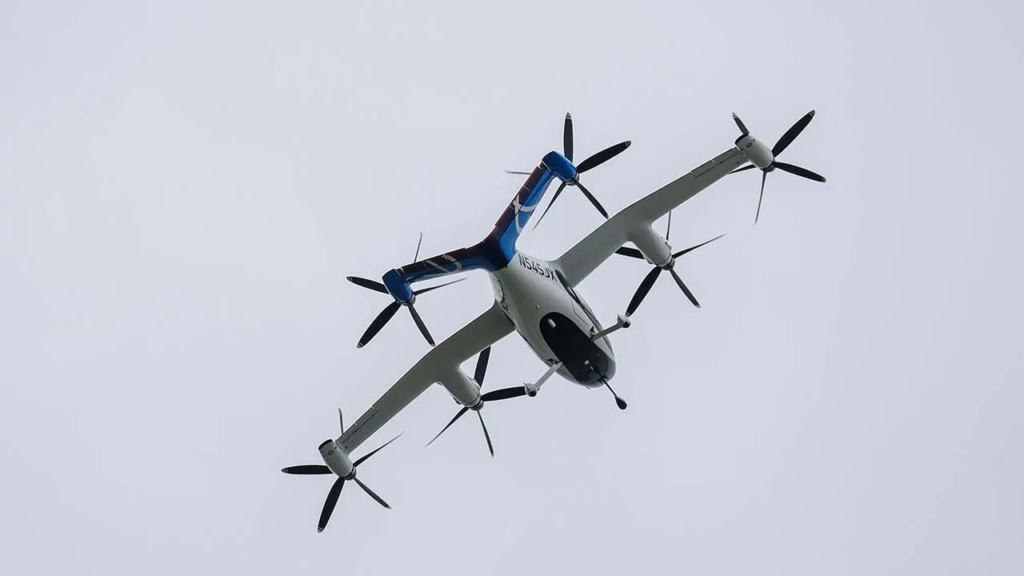
- Urban air mobility and flying taxis
- Supersonic commercial aircraft with faster travel times
- Smarter airports using automation and digital technologies
These advancements promise to make air travel safer, cleaner, quieter, and more efficient while meeting the growing demand for global transportation.
Aircraft Maintenance and Safety
Aircraft maintenance is one of the most critical aspects of aviation.
Every aircraft undergoes regular inspections before and after flights, as well as scheduled maintenance based on flight hours and operational cycles. Certified technicians examine engines, landing gear, avionics, hydraulic systems, electrical components, and structural integrity to ensure optimal performance.
Safety is further enhanced through:
- Comprehensive pilot training
- Advanced weather forecasting
- Air traffic control coordination
- Real-time aircraft monitoring
- Emergency response procedures
- Strict international aviation regulations
These practices make commercial aviation one of the safest forms of transportation in the world.
Frequently Asked Questions (FAQs)
What is an aircraft?
An aircraft is a machine designed to fly through the atmosphere using aerodynamic lift or other methods of staying airborne.
What are the main types of aircraft?
The primary types include commercial airplanes, cargo aircraft, private jets, military aircraft, helicopters, and unmanned aerial vehicles (drones).
How do aircraft stay in the air?
Aircraft remain airborne through the interaction of four forces: lift, weight, thrust, and drag. Wings generate lift while engines provide the thrust needed to move the aircrft forward.
Why are aircraft important?
Aircraft support global transportation, trade, emergency services, military operations, tourism, scientific research, and economic development by enabling fast and efficient travel.
What does the future of aviation look like?
The future includes electric aircraft, hydrogen-powered engines, sustainable aviation fuels, artificial intelligence, autonomous flight systems, and advanced air mobility solutions that aim to improve efficiency and reduce environmental impact.
Conclusion
Aircraft have revolutionized the way people live, work, and connect with the world. From enabling international travel and supporting global commerce to assisting in emergency response and scientific exploration, aircraft remain one of the most influential innovations in human history.
As technology continues to advance, the aviation industry is embracing smarter systems, cleaner energy sources, and more efficient designs that will shape the next generation of flight. Electric propulsion, sustainable aviation fuels, artificial intelligence, and autonomous technologies are paving the way for a future where air travel becomes even safer, faster, and more environmentally responsible.
Whether for business, leisure, logistics, defense, or humanitarian missions, aircraft will continue to play a crucial role in connecting nations, driving economic growth, and expanding the possibilities of global mobility. Understanding how aircraft work and how the industry is evolving provides valuable insight into one of the world’s most dynamic and innovative fields.
About the Author