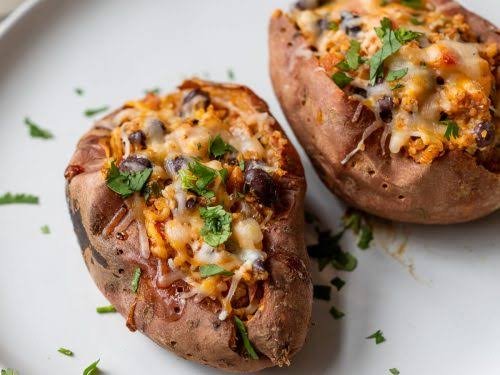
baked sweet potato
Introduction
Few menu items deliver the perfect combination of flavor, nutrition, affordability, and customer satisfaction quite like a baked sweet potato. Whether you’re operating a fine-dining restaurant, a casual café, a steakhouse, or a healthy food establishment, this simple dish has the power to become one of your most profitable offerings.
Sweet potatoes have gained enormous popularity over the past decade as consumers increasingly search for healthier alternatives to traditional side dishes. Their naturally sweet flavor, vibrant orange color, impressive nutritional profile, and incredible versatility make them a favorite among families, fitness enthusiasts, vegetarians, and gourmet food lovers alike.
For restaurant owners, a perfectly baked sweet potato offers multiple business advantages. It requires minimal preparation, has an excellent shelf life, delivers high customer satisfaction, and pairs beautifully with countless proteins, vegetables, sauces, and toppings. Best of all, the food cost remains relatively low while the perceived value stays exceptionally high.
In this comprehensive guide, you’ll discover everything you need to know about preparing restaurant-quality baked sweet potatoes—from selecting the right potatoes and mastering baking techniques to creative serving ideas, menu optimization, and professional cooking tips that keep customers coming back.
Why Baked Sweet Potatoes Are Becoming More Popular
The demand for healthier comfort food continues to rise, and baked sweet potatoes fit perfectly into this growing trend.
Customers appreciate dishes that balance indulgence with nutrition. Unlike heavily processed side dishes, sweet potatoes provide natural sweetness, satisfying texture, and valuable nutrients without requiring excessive butter or cream.
Restaurants also benefit because sweet potatoes complement nearly every cuisine, including:
- American
- Southern
- BBQ
- Mediterranean
- Vegan
- Vegetarian
- Mexican
- Fusion
- Healthy cafés
Their flexibility allows chefs to reinvent the same ingredient in dozens of unique ways while keeping inventory costs manageable.
What Makes a Perfect Baked Sweet Potato?
A perfect baked sweet potato has several defining characteristics:
- Crispy, lightly caramelized skin
- Soft, fluffy interior
- Rich natural sweetness
- Moist texture
- Deep orange color
- Balanced flavor without becoming overly sugary
Achieving these qualities depends on selecting the right potato, maintaining proper oven temperature, and allowing sufficient cooking time.
When prepared correctly, every bite should melt in the mouth while maintaining enough structure to hold toppings without falling apart.
Choosing the Best Sweet Potatoes
Quality begins before cooking.
Restaurant owners should purchase fresh sweet potatoes that are:
Medium to Large in Size
Uniform potatoes cook more evenly, making service faster and more consistent.
Firm
Avoid potatoes with soft spots, wrinkles, bruises, or mold.
Smooth Skin
Healthy skin helps retain moisture during baking and creates an attractive presentation.
Rich Orange Flesh
Orange-fleshed sweet potatoes generally produce the sweetest flavor and creamiest texture after baking.
Preparing Sweet Potatoes Before Baking
Preparation may seem simple, but small details significantly improve the final product.
Wash Thoroughly
Since the skin is edible, remove all dirt using cold water and a vegetable brush.
Dry Completely
Dry skin promotes crispiness during baking.
Pierce with a Fork
Piercing several small holes allows steam to escape, preventing the potato from bursting inside the oven.
Optional Oil Coating
Lightly brushing the skin with olive oil helps create a beautifully crisp exterior while adding a subtle richness.
A light sprinkle of sea salt also enhances flavor and presentation.
How to Bake Sweet Potatoes Perfectly
Professional kitchens often follow a straightforward process that consistently produces excellent results.
Step 1: Preheat the Oven
Set the oven to 400°F (200°C).
This temperature allows the sugars inside the potato to caramelize gradually while producing a soft interior.
Step 2: Arrange Properly
Place potatoes directly on the oven rack or on a baking tray lined with parchment paper.
Leaving space between each potato encourages even airflow.
Step 3: Bake
Cooking time generally depends on size.
- Small potatoes: 40–45 minutes
- Medium potatoes: 50–60 minutes
- Large potatoes: 60–75 minutes
Avoid rushing the process with excessive heat, as this often leads to burnt skin and an undercooked center.
Step 4: Check for Doneness
A knife should slide easily into the center without resistance.
The potato should also feel soft when gently squeezed with oven mitts.
Common Mistakes That Ruin Baked Sweet Potatoes
Even experienced cooks occasionally make avoidable mistakes.
Wrapping in Foil
Foil traps moisture and steams the potato instead of baking it.
Unless intentionally seeking softer skin, bake without foil.
Underbaking
The center remains firm and starchy.
Customers immediately notice poor texture.
Overcrowding
Too many potatoes on one tray reduce airflow and extend cooking time.
Skipping Drying
Wet potatoes rarely develop crispy skin.
Always dry thoroughly after washing.
Using Damaged Potatoes
Fresh ingredients consistently produce superior flavor and appearance.
Nutritional Benefits of Baked Sweet Potatoes
Today’s diners increasingly seek foods that support a healthy lifestyle.
A baked sweet potato naturally provides:
- Dietary fiber
- Complex carbohydrates
- Vitamin A
- Vitamin C
- Potassium
- Manganese
- Antioxidants
- Beta-carotene
Because they contain naturally occurring sugars rather than refined sweeteners, baked sweet potatoes offer satisfying flavor while remaining a nutritious menu option.
This nutritional appeal makes them particularly attractive to health-conscious customers, families, and athletes looking for wholesome side dishes.
Why Restaurant Owners Should Add Baked Sweet Potatoes to Their Menu
From a business perspective, baked sweet potato offer exceptional value.
They have a relatively low food cost, require minimal preparation, and can be paired with a wide variety of entrées. Their versatility allows restaurants to serve them as a side dish, a main course with creative toppings, or even as part of seasonal specials.
In addition, baked sweet potatoes appeal to a broad customer base, including vegetarians, vegans (when served with plant-based toppings), gluten-free diners, and health-conscious guests. This broad appeal can help increase order frequency and improve customer satisfaction while keeping kitchen operations efficient.
Creative Topping Ideas That Customers Love
One of the greatest advantages of a baked sweet potato is its versatility. By offering a variety of toppings, restaurant owners can transform a simple side dish into a signature menu item that appeals to different tastes and dietary preferences.
Classic Butter and Herbs
A timeless combination of butter, fresh parsley, chives, sea salt, and cracked black pepper creates a comforting, crowd-pleasing option.
Sour Cream and Chives
For guests who enjoy creamy textures, a dollop of sour cream topped with fresh chives provides a rich yet balanced flavor.
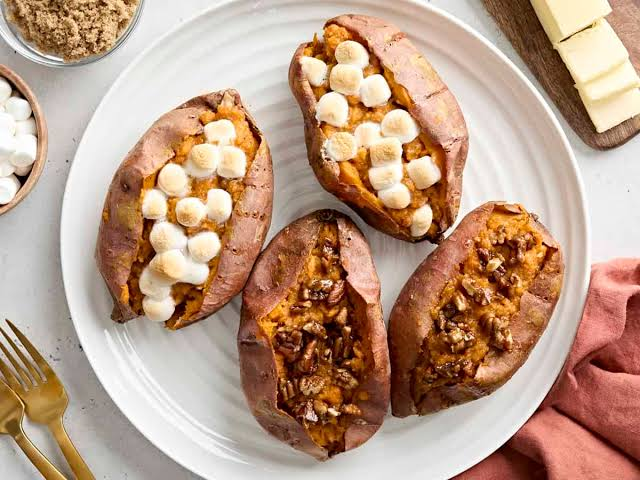
Cinnamon and Honey
Sweet toppings like cinnamon, honey, and a touch of butter enhance the potato’s natural sweetness, making it an excellent brunch or dessert-inspired side.
Maple Pecan Delight
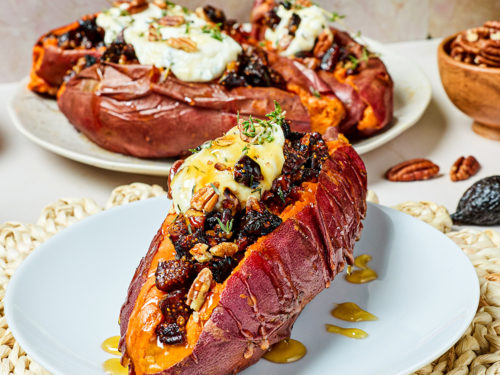
Maple syrup, roasted pecans, and a light sprinkle of cinnamon offer a premium presentation that pairs beautifully with roasted chicken or grilled pork.
Loaded Baked Sweet Potato
Turn your baked sweet potato into a hearty meal by topping it with:
- Grilled chicken
- Pulled beef
- Smoked brisket
- Crispy bacon
- Cheddar cheese
- Green onions
- Sour cream
This loaded version can easily become one of your restaurant’s best-selling comfort food dishes.
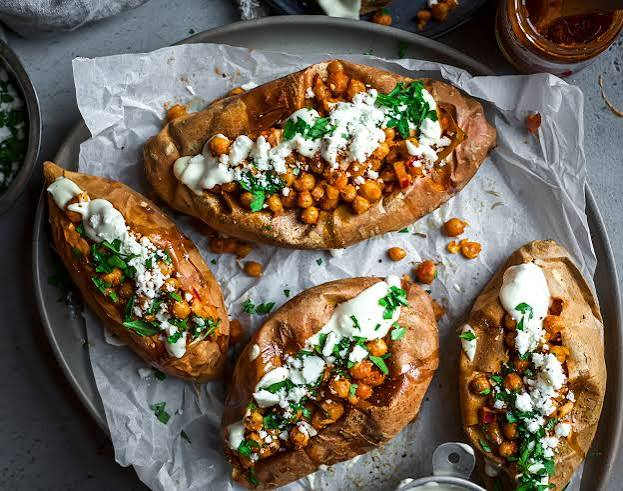
Mediterranean Style
Top the potato with:
- Crumbled feta
- Cherry tomatoes
- Cucumbers
- Kalamata olives
- Fresh parsley
- Garlic yogurt sauce
This lighter option appeals to health-conscious diners and adds a gourmet touch.
Vegan Power Bowl
Create a plant-based masterpiece using:
- Black beans
- Avocado slices
- Corn
- Salsa
- Roasted chickpeas
- Tahini drizzle
- Fresh cilantro
With the continued growth of vegan dining, this option expands your menu without significantly increasing food costs.
Best Main Dishes to Pair with Baked Sweet Potatoes
A baked sweet potato complements a wide variety of entrées. Consider pairing it with:
- Grilled steak
- Roasted chicken
- BBQ ribs
- Pulled pork
- Grilled salmon
- Turkey breast
- Lamb chops
- Smoked brisket
- Grilled shrimp
- Veggie burgers
These pairings create balanced meals while increasing the perceived value of your menu offerings.
Restaurant Tips for Consistent Results
Consistency is one of the most important factors in building customer trust. Here are several professional practices to ensure every baked sweet potato meets the same high standard.
Buy Uniform Sizes
Purchasing potatoes of similar size helps ensure even cooking times and reduces waste during service.
Batch Bake During Off-Peak Hours
Prepare a batch before busy meal periods. Store them properly and finish with a quick reheat before serving to speed up kitchen operations.
Use Quality Seasonings
Simple ingredients such as flaky sea salt, freshly cracked black pepper, garlic butter, and fresh herbs can dramatically improve flavor without increasing costs.
Train Kitchen Staff
Establish standard operating procedures for washing, baking, checking doneness, and plating. Consistency across every shift helps maintain customer satisfaction.
Focus on Presentation
Serve the potato split open, gently fluffed with a fork, and finished with vibrant toppings. A visually appealing dish encourages repeat orders and social media sharing.
How to Store Leftover Baked Sweet Potatoes
Proper storage preserves both quality and food safety.
Allow the potatoes to cool completely before placing them in airtight containers. Refrigerate promptly and use them within a few days for the best flavor and texture.
For longer storage, wrap each potato individually and freeze. Frozen baked sweet potatoes maintain their quality well and can be reheated as needed, making them a convenient option for meal preparation or reducing food waste in busy kitchens.
Reheating Without Losing Flavor
Reheating correctly helps maintain the potato’s fluffy interior and prevents it from drying out.
Oven
Place the potato in a preheated oven at 350°F (175°C) for 15–20 minutes until heated through. This method best preserves the crispy skin.
Microwave
For faster service, microwave on medium power for several minutes. While convenient, this method softens the skin.
Air Fryer
An air fryer offers one of the best reheating methods by restoring crispiness while warming the interior evenly.
Why Baked Sweet Potatoes Are a Profitable Menu Item
Restaurant owners constantly seek dishes that provide excellent value, strong customer appeal, and healthy profit margins.
Baked sweet potatoes check every box:
- Low ingredient cost
- Minimal preparation
- Long shelf life
- High customer demand
- Excellent nutritional reputation
- Versatile menu applications
- Easy customization
- Works across multiple cuisines
- Appeals to families and health-conscious diners
- Supports premium pricing with gourmet toppings
By offering creative variations and seasonal specials, restaurants can maximize sales while keeping food costs under control.
Frequently Asked Questions
Should sweet potatoes be wrapped in foil?
No. Baking without foil allows the skin to become crisp while encouraging natural caramelization. Foil traps steam, resulting in softer skin.
What oven temperature is best?
A temperature of 400°F (200°C) is ideal for achieving a fluffy interior and lightly caramelized skin.
How do I know when a baked sweet potato is done?
Insert a knife into the center. If it slides in easily with little resistance, the potato is fully cooked.
Can customers eat the skin?
Yes. The skin is edible and contains fiber and nutrients. Many diners enjoy the added texture when it is baked until crisp.
Can baked sweet potatoes be prepared ahead of time?
Absolutely. They can be baked in advance, refrigerated, and reheated before serving, making them ideal for restaurants with high customer volume.
Are baked sweet potatoes healthier than regular baked potatoes?
Both have nutritional benefits, but sweet potatoes are especially valued for their high levels of beta-carotene, vitamin A, antioxidants, and natural sweetness.
Conclusion
A baked sweet potato is far more than a simple side dish—it is a versatile, nutritious, and profitable menu item that fits seamlessly into today’s dining trends. Its naturally sweet flavor, vibrant appearance, and ability to pair with countless ingredients make it an excellent choice for restaurants looking to satisfy a wide range of customers.
For restaurant owners, investing in high-quality sweet potatoes and mastering proper baking techniques can elevate an ordinary dish into a signature offering. From classic butter and herbs to gourmet loaded creations, there are endless opportunities to showcase creativity while maintaining healthy profit margins.
Consistency is the key to success. Selecting fresh ingredients, following reliable cooking methods, and presenting each potato with care will ensure that every guest enjoys the same exceptional experience. As consumer demand for wholesome, flavorful comfort food continues to grow, baked sweet potatoes provide an easy way to enhance your menu and strengthen customer loyalty.
Whether served as a hearty side, a customizable main course, or a seasonal specialty, baked sweet potatoes deliver outstanding taste, visual appeal, and business value. By incorporating the strategies and ideas outlined in this guide, your restaurant can turn this humble ingredient into a standout dish that keeps guests coming back for more.
About the Author