Pancreatic Cancer
Introduction
Pancreatic cancer is one of the most aggressive and challenging forms of cancer, affecting thousands of people worldwide each year. Although it accounts for a smaller percentage of all cancer cases compared to breast, lung, or colorectal cancer, it is responsible for a significant number of cancer-related deaths because it is often diagnosed at an advanced stage. The pancreas plays a vital role in digestion and blood sugar regulation, making its health essential for overall well-being.
One of the greatest challenges with pancreatic cancer is that it rarely causes noticeable symptoms in its early stages. As a result, many patients are diagnosed only after the disease has spread to nearby organs or distant parts of the body. However, continuous advancements in medical research, early detection methods, targeted therapies, and innovative treatment options are improving survival rates and offering renewed hope to patients and their families.
Understanding pancreatic cancer, its causes, symptoms, risk factors, diagnostic procedures, and available treatments can help individuals recognize warning signs early and make informed healthcare decisions. This comprehensive guide explores everything you need to know about pancreatic cancer while providing practical strategies for reducing your risk and supporting long-term health.
What Is Pancreatic Cancer?
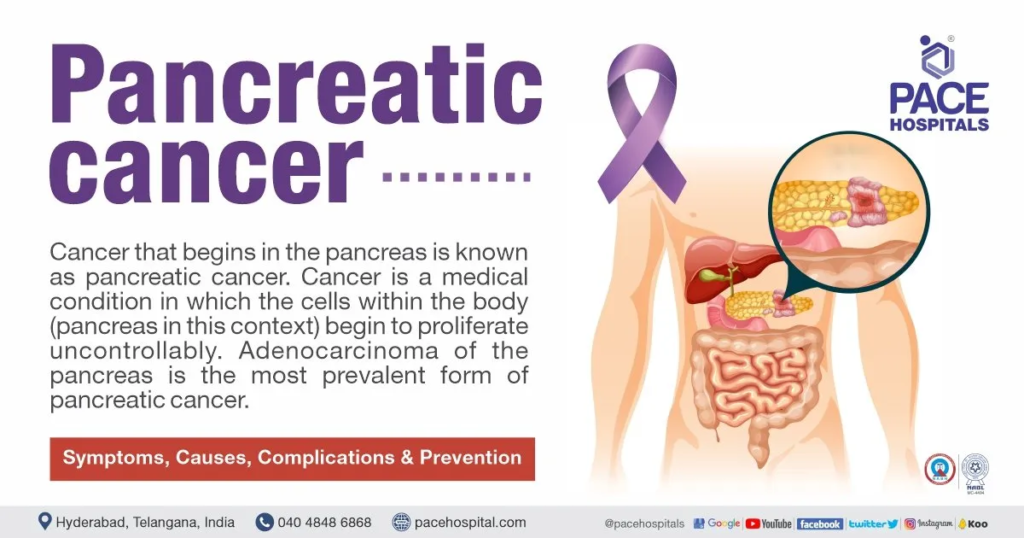
Pancreatic cancer occurs when abnormal cells in the pancreas begin growing uncontrollably, forming a malignant tumor. Over time, these cancerous cells can invade nearby tissues and spread to other organs through the bloodstream or lymphatic system.
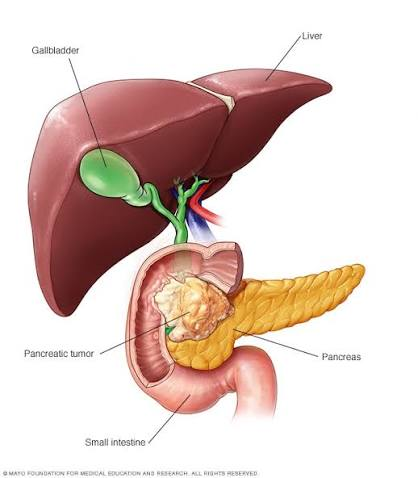
The pancreas is a gland located behind the stomach and measures approximately six inches long. It performs two essential functions:
- Produces digestive enzymes that help break down fats, proteins, and carbohydrates.
- Produces hormones such as insulin and glucagon that regulate blood sugar levels.
When cancer develops within the pancreas, both digestive health and blood sugar control may become severely affected.
Types of Pancreatic Cancer
Understanding the different forms of pancreatic cancer is important because treatment and prognosis vary depending on the type.
1. Pancreatic Ductal Adenocarcinoma (PDAC)
This is the most common type, accounting for nearly 90–95% of pancreatic cancer cases.
Characteristics include:
- Begins in the ducts that carry digestive enzymes.
- Often spreads quickly.
- Frequently diagnosed in later stages.
- Requires aggressive treatment.
2. Pancreatic Neuroendocrine Tumors (PNETs)
These tumors are much less common and develop in hormone-producing cells.
They may:
- Grow more slowly.
- Produce excess hormones.
- Respond differently to treatment.
- Offer better long-term survival rates when detected early.
3. Rare Pancreatic Tumors
Other uncommon forms include:
- Acinar cell carcinoma
- Squamous cell carcinoma
- Solid pseudopapillary tumors
- Pancreatoblastoma
Although rare, these cancers require specialized medical management.
How Common Is Pancreatic Cancer?
Pancreatic cancer has become one of the fastest-rising causes of cancer-related deaths worldwide.
Important facts include:
- Most patients are diagnosed after age 60.
- Men and women are both affected.
- Survival rates improve dramatically with early diagnosis.
- Only a small percentage of cases are discovered before spreading.
These statistics highlight the importance of awareness and routine medical evaluation when symptoms appear.
What Causes Pancreatic Cancer?
There is no single cause of pancreatic cancer. Instead, it usually develops because of a combination of genetic changes and environmental factors that damage pancreatic cells over many years.
Researchers believe several factors contribute to abnormal cell growth, including:
- DNA mutations
- Chronic inflammation
- Lifestyle habits
- Aging
- Family history
- Exposure to harmful chemicals
These factors gradually increase the likelihood of cancer formation.
Major Risk Factors
Understanding risk factors can help people make healthier lifestyle choices.
Smoking
Smoking remains one of the strongest risk factors.
Tobacco chemicals damage pancreatic cells and significantly increase the chance of developing cancer.
Obesity
Being overweight contributes to chronic inflammation and insulin resistance, both of which may encourage cancer growth.
Maintaining a healthy body weight reduces risk considerably.
Diabetes
Long-standing diabetes has been linked to pancreatic cancer.
Interestingly, sudden-onset diabetes in older adults may sometimes be an early warning sign rather than merely a risk factor.
Family History
Individuals with close relatives diagnosed with pancreatic cancer have a greater lifetime risk.
Inherited genetic mutations can also increase susceptibility.
Chronic Pancreatitis
Persistent inflammation of the pancreas damages healthy tissue over time.
People with chronic pancreatitis require careful medical monitoring.
Age
Risk increases significantly after age 60 because cells naturally accumulate DNA damage throughout life.
Diet
A diet high in processed meats, sugary foods, and unhealthy fats may contribute to increased risk, while fruits, vegetables, and whole grains appear protective.
Early Warning Signs of Pancreatic Cancer
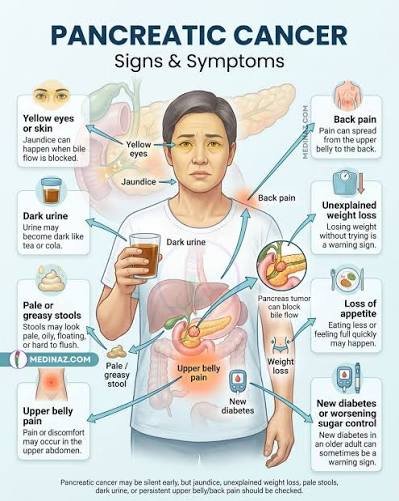
One reason pancreatic cancer is so dangerous is that symptoms usually appear only after the disease has progressed.
Nevertheless, recognizing early warning signs can lead to quicker diagnosis.
Common symptoms include:
- Persistent upper abdominal pain
- Pain spreading to the back
- Unexplained weight loss
- Loss of appetite
- Fatigue
- Nausea
- Digestive problems
- New-onset diabetes
- Dark urine
- Pale stools
- Itchy skin
- Yellowing of the skin and eyes (jaundice)
These symptoms can also occur with many other conditions, but persistent or worsening symptoms should never be ignored.
How Pancreatic Cancer Progresses
Cancer develops gradually through several stages.
Stage 0
Abnormal cells remain confined within the pancreatic ducts.
Treatment at this stage offers the highest chance of cure.
Stage I
Cancer remains localized within the pancreas.
Surgical removal is often possible.
Stage II
The tumor begins spreading to nearby tissues or lymph nodes.
Combined surgery and chemotherapy are commonly recommended.
Stage III
Cancer involves major blood vessels or additional lymph nodes.
Treatment becomes more complex and may include chemotherapy, radiation, or carefully selected surgery.
Stage IV
Cancer spreads to distant organs such as:
- Liver
- Lungs
- Bones
- Peritoneum
Treatment focuses on extending life, controlling symptoms, and improving quality of life.
How Is Pancreatic Cancer Diagnosed?
Because symptoms often resemble other digestive disorders, physicians use several advanced diagnostic tools to confirm pancreatic cancer.
These may include:
Medical History and Physical Examination
Doctors review symptoms, family history, medical conditions, lifestyle habits, and perform a complete physical examination.
Blood Tests
Blood tests help evaluate:
- Liver function
- Kidney function
- Blood sugar
- Tumor markers such as CA 19-9
Although tumor markers alone cannot diagnose pancreatic cancer, they provide valuable information during treatment monitoring.
Imaging Tests
High-quality imaging helps determine the tumor’s size and whether it has spread.
Common scans include:
- CT scan
- MRI
- PET scan
- Endoscopic ultrasound (EUS)
These technologies provide detailed images that guide diagnosis and treatment planning.
Biopsy: Confirming the Diagnosis
While imaging tests can strongly suggest pancreatic cancer, a biopsy is usually required to confirm the diagnosis. During a biopsy, a small sample of tissue is removed from the pancreas and examined under a microscope by a pathologist.
Common biopsy methods include:
- Endoscopic Ultrasound-Guided Fine Needle Aspiration (EUS-FNA): A thin needle is guided through an endoscope to collect tissue from the tumor.
- CT-Guided Needle Biopsy: A needle is inserted through the skin using CT imaging for precise guidance.
- Surgical Biopsy: In some cases, tissue is collected during surgery if less invasive methods are not suitable.
The biopsy also helps determine the exact type of pancreatic cancer, which plays a key role in choosing the most effective treatment plan.
Treatment Options for Pancreatic Cancer
Treatment depends on several factors, including:
- Stage of the cancer
- Tumor location
- Overall health
- Age
- Whether the cancer has spread
- Patient preferences
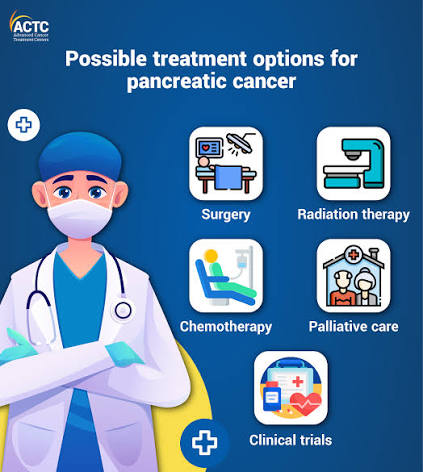
Most patients receive a combination of treatments rather than relying on a single approach.
Surgery
Surgery offers the best chance for long-term survival when pancreatic cancer is detected early and has not spread beyond the pancreas.
Whipple Procedure (Pancreaticoduodenectomy)
The Whipple procedure is the most common surgery for tumors located in the head of the pancreas.
During this complex operation, surgeons may remove:
- The head of the pancreas
- Part of the small intestine
- The gallbladder
- Part of the bile duct
- Sometimes a portion of the stomach
After removing the affected tissues, the digestive tract is carefully reconstructed to restore normal digestion.
Although it is a major operation, advances in surgical techniques have significantly improved safety and recovery outcomes.
Distal Pancreatectomy
If cancer develops in the body or tail of the pancreas, surgeons may remove that portion of the pancreas along with the spleen if necessary.
Total Pancreatectomy
In rare cases, the entire pancreas must be removed.
Patients who undergo this procedure require lifelong insulin therapy and digestive enzyme replacement because the pancreas is no longer able to produce these naturally.
Chemotherapy
Chemotherapy uses powerful medications to destroy cancer cells or slow their growth.
It may be used:
- Before surgery to shrink tumors
- After surgery to reduce the risk of recurrence
- For advanced cancer to improve survival
- To relieve symptoms in metastatic disease
Common chemotherapy drugs may be given individually or in combination, depending on the patient’s condition and treatment goals.
Radiation Therapy
Radiation therapy uses high-energy beams to target and destroy cancer cells.
Doctors may recommend radiation:
- Before surgery
- After surgery
- Alongside chemotherapy
- To relieve pain caused by advanced tumors
Modern radiation techniques are more precise than ever, reducing damage to nearby healthy tissues.
Targeted Therapy
Targeted therapy focuses on specific genetic mutations or proteins that help cancer cells grow.
Unlike traditional chemotherapy, targeted medications are designed to attack cancer cells while minimizing harm to healthy cells.
Some patients undergo genetic testing to determine whether targeted therapies may be effective for their specific tumor.
Immunotherapy
Immunotherapy strengthens the body’s immune system, enabling it to recognize and attack cancer cells more effectively.
Although immunotherapy is not suitable for every pancreatic cancer patient, it has shown promising results in select cases, particularly those with specific genetic characteristics.
Researchers continue to investigate new immunotherapy combinations that may improve future outcomes.
Managing Symptoms and Side Effects
Pancreatic cancer and its treatments can cause various physical and emotional challenges. Supportive care plays a crucial role in improving quality of life.
Common supportive treatments include:
- Pain management
- Nutritional counseling
- Pancreatic enzyme replacement
- Blood sugar monitoring
- Physical therapy
- Psychological support
- Palliative care services
Managing symptoms early can help patients maintain strength and independence throughout treatment.
Nutrition During Pancreatic Cancer Treatment
A balanced diet is essential for maintaining energy, supporting healing, and preventing weight loss.
Recommended dietary habits include:
- Eat small, frequent meals.
- Choose lean proteins such as fish, chicken, eggs, and legumes.
- Include fruits and vegetables rich in antioxidants.
- Stay well hydrated.
- Limit fried and heavily processed foods.
- Take prescribed digestive enzymes if needed.
- Consult a registered dietitian for personalized guidance.
Proper nutrition can improve treatment tolerance and overall well-being.
Can Pancreatic Cancer Be Prevented?
Although not every case can be prevented, adopting healthy lifestyle habits may significantly reduce the risk.
Avoid Smoking
Quitting smoking remains one of the most effective ways to lower the risk of pancreatic cancer and many other serious diseases.
Maintain a Healthy Weight
Regular exercise and a nutritious diet help reduce chronic inflammation and improve overall metabolic health.
Manage Diabetes
Keeping blood sugar levels under control and following medical advice can support pancreatic health.
Limit Alcohol Consumption
Heavy alcohol use increases the risk of chronic pancreatitis, which may contribute to pancreatic cancer over time.
Eat a Nutrient-Rich Diet
Focus on:
- Fresh vegetables
- Fruits
- Whole grains
- Nuts
- Healthy fats
- Lean proteins
These foods provide vitamins, minerals, and antioxidants that support overall health.
Stay Physically Active
Aim for at least 150 minutes of moderate exercise per week. Regular physical activity supports immune function, weight management, and cardiovascular health.
Living with Pancreatic Cancer
A pancreatic cancer diagnosis can be emotionally overwhelming, but many people continue to live meaningful and fulfilling lives while undergoing treatment.
Helpful strategies include:
- Follow your treatment plan closely.
- Attend all scheduled medical appointments.
- Build a strong support network of family and friends.
- Join cancer support groups.
- Practice stress-reduction techniques such as meditation or gentle exercise.
- Communicate openly with your healthcare team about symptoms and concerns.
Advances in medicine continue to improve treatment options and quality of life for many patients.
Frequently Asked Questions
Is pancreatic cancer hereditary?
Most cases are not inherited. However, individuals with a strong family history or certain inherited genetic mutations have an increased risk.
Can pancreatic cancer be cured?
When detected at an early stage and treated with surgery, some patients can achieve long-term remission or cure. Unfortunately, many cases are diagnosed after the cancer has already spread, making treatment more challenging.
Who is at the highest risk?
Higher-risk groups include:
- Smokers
- Adults over 60
- Individuals with chronic pancreatitis
- People with obesity
- Those with diabetes
- Individuals with a family history of pancreatic cancer
What is the most common symptom?
Symptoms vary, but common signs include abdominal pain that may radiate to the back, unexplained weight loss, jaundice, fatigue, and loss of appetite.
Can lifestyle changes reduce the risk?
Yes. Avoiding tobacco, maintaining a healthy weight, eating a balanced diet, staying physically active, and managing chronic health conditions can help reduce the risk of developing pancreatic cancer.
Conclusion
Pancreatic cancer remains one of the most serious and challenging forms of cancer, but growing awareness, earlier diagnosis, and continuous medical advancements are transforming the outlook for many patients. Recognizing early warning signs, understanding the major risk factors, and seeking prompt medical evaluation can make a significant difference in treatment success.
Today’s treatment options—including surgery, chemotherapy, radiation therapy, targeted therapy, and immunotherapy—offer greater hope than ever before. Combined with healthy lifestyle choices, regular medical care, and ongoing research, these advances are improving survival rates and enhancing quality of life.
Whether you are looking to educate yourself, support a loved one, or reduce your own risk, staying informed is one of the most powerful tools in the fight against pancreatic cancer. Knowledge, early action, and access to quality healthcare can help save lives and pave the way for a healthier future.
About the Author