Creative Photography
Introduction to Creative Photography:
Creative photography is more than just pressing a shutter button at the right time. It’s a way of thinking, seeing, and translating imagination into visuals that communicate emotion, mood, and meaning. While technical skills matter, creativity is what separates a simple photograph from one that stays in someone’s mind long after they’ve seen it. In today’s visually driven world, creative photography plays a crucial role in storytelling, branding, self-expression, and art.
At its core, creative photography is about intention. Instead of capturing things as they appear, the photographer interprets the scene, adding personal perspective and artistic direction. This can involve experimenting with composition, lighting, angles, colors, or post-processing techniques. Creativity allows photographers to bend reality, exaggerate emotions, and present ordinary subjects in extraordinary ways.
The rise of digital cameras and smartphones has made photography more accessible than ever, but accessibility doesn’t automatically lead to creativity. In fact, with millions of images uploaded every day, standing out requires deeper thought and originality. Creative photographers train themselves to look beyond the obvious and find unique viewpoints that others might overlook.
Creative photography isn’t limited to professionals or artists working in studios. It can be practiced anywhere—on the street, at home, in nature, or during travel. Whether you’re photographing people, objects, landscapes, or abstract concepts, creativity transforms photography into a powerful form of visual communication.
Understanding the Essence of Creative Photography
Creative photography begins with understanding that there are no fixed rules—only guidelines. While traditional photography emphasizes technical perfection, creative photography often embraces imperfection if it serves a purpose. Motion blur, unusual framing, grain, or unconventional lighting can all become tools for expression rather than mistakes.
One key element of creative photography is storytelling. Every creative photograph tells a story, even if it’s subtle or abstract. The story may not be obvious at first glance, but it reveals itself through details such as facial expressions, shadows, colors, or the relationship between elements in the frame. A strong creative image invites viewers to pause and interpret rather than simply scroll past.
Another essential aspect is emotional impact. Creative photographers aim to make viewers feel something—curiosity, nostalgia, joy, tension, or even discomfort. Emotion is often what makes an image memorable. By carefully choosing subjects, lighting, and composition, photographers can guide the viewer’s emotional response without using words.
Creative photography also involves breaking habits. Shooting from the same angles, using the same lenses, or sticking to familiar locations can limit creative growth. By intentionally changing routines—such as using a fixed focal length, shooting in challenging lighting, or exploring unfamiliar themes—photographers can unlock new creative possibilities and evolve their visual style.
The Role of Imagination and Vision in Photography
Imagination is the foundation of creative photography. Before the camera is even lifted, the photographer visualizes the final image. This mental image influences decisions about framing, exposure, and timing. Creative photographers often “see” the photograph before it exists, then work patiently to bring that vision to life.
Developing a strong visual vision takes time and practice. It often starts by studying the work of other photographers, painters, filmmakers, and designers. Inspiration doesn’t mean imitation—it means learning how others use light, color, and composition to express ideas. Over time, these influences blend into a unique personal style.
Vision also involves intentional choices. Instead of capturing everything in front of the lens, creative photographers decide what to include and what to exclude. Negative space, minimalism, or selective focus can all strengthen the message of an image. Sometimes what’s left out is just as important as what’s shown.
A strong vision allows photographers to stay consistent while still experimenting. Even when exploring new techniques or subjects, their images maintain a recognizable feel. This consistency is especially important for professionals building portfolios, as it helps define their identity and sets them apart in a competitive field.
Lighting as a Creative Tool
Lighting is one of the most powerful elements in creative photography. While natural light is often praised for its softness and authenticity, creative photographers know how to manipulate both natural and artificial light to create specific moods. Light can be dramatic, subtle, harsh, or gentle depending on how it’s used.
Creative use of light often involves understanding shadows. Shadows add depth, mystery, and contrast to an image. Instead of avoiding them, creative photographers embrace shadows as compositional elements. Side lighting, backlighting, and low-key setups can completely change how a subject is perceived.
Color temperature also plays a significant role in creative lighting. Warm tones can evoke comfort and nostalgia, while cooler tones may suggest isolation or calmness. Mixing different light sources or intentionally adjusting white balance allows photographers to experiment with color in expressive ways.
Artificial lighting, such as flash or continuous lights, opens even more creative possibilities. Off-camera flash, gels, and light modifiers allow precise control over highlights and shadows. When used creatively, artificial light doesn’t have to look artificial—it can enhance realism or push images into surreal territory, depending on the photographer’s intent.
Composition and Perspective in Creative Photography
Composition is the structure that holds a creative photograph together. While rules like the rule of thirds, leading lines, and symmetry are useful, creative photography often goes beyond them. Breaking compositional rules can result in more dynamic and engaging images when done intentionally.
Perspective is a powerful way to add creativity to photography. Changing your shooting angle—getting low, shooting from above, or framing through objects—can completely transform a scene. A familiar subject can feel fresh and intriguing when seen from an unexpected viewpoint.
Layering is another compositional technique frequently used in creative photography. By including foreground, middle ground, and background elements, photographers create depth and complexity. This technique is especially effective in street photography and environmental portraits, where context adds meaning to the subject.
Negative space is equally important. Leaving empty areas in a frame can draw attention to the subject and create a sense of balance or isolation. Creative photographers use space intentionally, allowing the viewer’s eye to rest and focus on what truly matters within the image.
Post-Processing as an Extension of Creativity
Post-processing is not about fixing mistakes—it’s about completing the creative process. Editing allows photographers to enhance mood, emphasize details, and refine their visual style. When used thoughtfully, post-processing becomes an extension of artistic expression rather than a shortcut.
Creative editing may involve adjusting contrast, color grading, or selectively enhancing certain areas of the image. Black-and-white conversions, for example, can strip away distractions and highlight emotion, texture, and light. Similarly, subtle color shifts can reinforce the story behind a photograph.
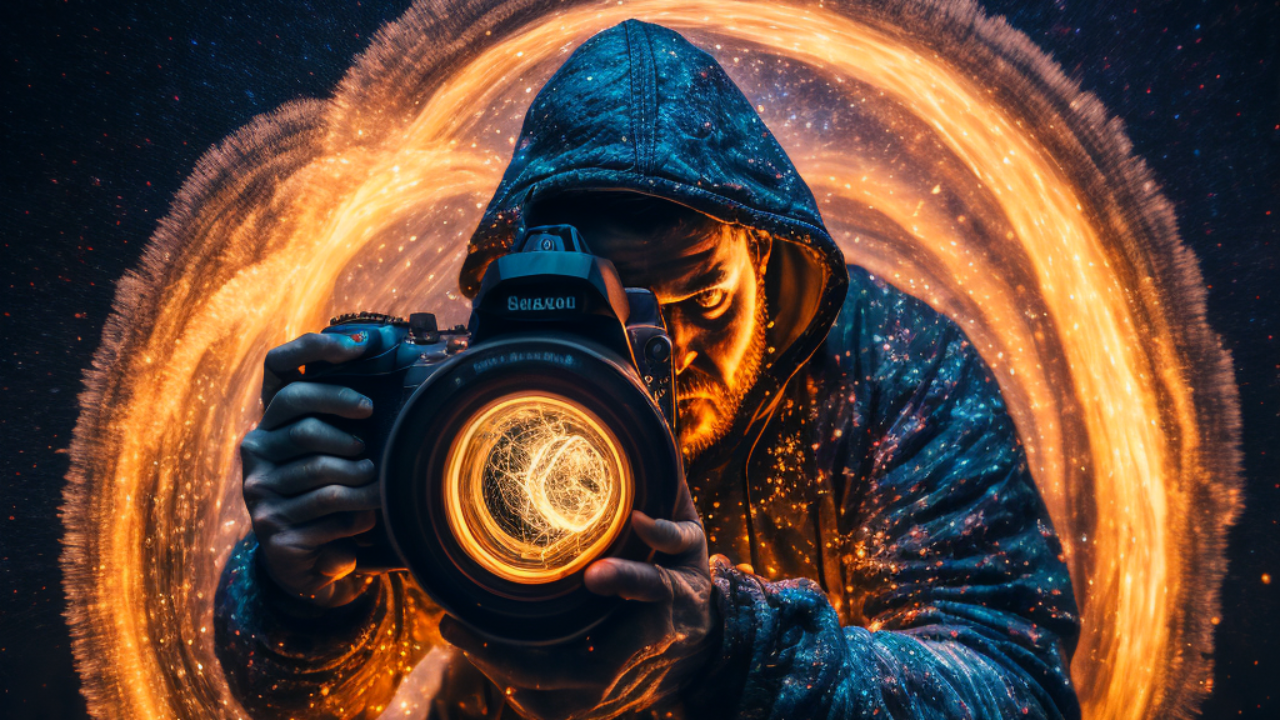
Advanced creative photography sometimes includes compositing, double exposure, or conceptual manipulation. These techniques allow photographers to blend reality with imagination, creating images that feel dreamlike or symbolic. While not every photo needs heavy editing, having these skills expands creative freedom.
Consistency in editing is crucial. A recognizable editing style helps build a cohesive body of work. Whether the look is moody, bright, cinematic, or minimal, consistent post-processing reinforces the photographer’s identity and makes their work more memorable.
Developing Your Own Creative Photography Style
Finding a personal style is one of the most challenging and rewarding aspects of creative photography. Style isn’t something that appears overnight—it evolves through experimentation, mistakes, and continuous learning. The key is to shoot often and reflect on your work.
Reviewing past photos helps identify patterns. You may notice recurring themes, color palettes, or subjects that naturally attract you. These patterns are clues to your developing style. Instead of forcing a trend, creative photographers lean into what genuinely interests them.
Feedback also plays an important role. Sharing work with other photographers or creative communities can provide valuable perspectives. Constructive criticism highlights strengths and areas for growth, helping refine both technical and creative skills.
Most importantly, creative photography thrives on curiosity. Trying new genres, collaborating with others, and challenging yourself with personal projects keeps creativity alive. A strong style emerges naturally when passion, practice, and patience come together.
The Impact of Creative Photography in the Modern World
Creative photography has a powerful influence on modern culture. From social media and advertising to journalism and fine art, creative images shape how stories are told and how messages are received. In a fast-paced digital environment, creativity is what captures attention.
Brands rely heavily on creative photography to communicate identity and values. A visually compelling image can build trust, evoke emotion, and influence decisions more effectively than text alone. This has made creative photographers essential contributors in marketing and branding industries.
Beyond commercial use, creative photography also serves as a personal and social voice. Photographers use their work to comment on social issues, explore identity, and document human experiences. These images often spark conversations and encourage viewers to see the world from different perspectives.
As technology continues to evolve, the tools available to photographers will change, but creativity will remain the most valuable asset. Cameras may become smarter, but vision, imagination, and emotional insight are uniquely human qualities that define creative photography.
Conclusion:
Creative photography is not about having the most expensive gear or following trends. It’s about curiosity, intention, and the courage to see differently. It allows photographers to express ideas that words can’t fully capture and to turn fleeting moments into lasting visual stories.
By mastering light, composition, and post-processing while nurturing imagination and vision, photographers can push beyond technical competence into true creative expression. The journey is ongoing, filled with experimentation, learning, and personal growth.
Whether pursued as a hobby or a profession, creative photography enriches both the creator and the viewer. It invites us to slow down, observe closely, and appreciate the beauty, complexity, and emotion woven into everyday life.
In a world overflowing with images, creative photography reminds us that originality still matters—and that the most powerful photographs come not just from the camera, but from the mind behind it.
About the Author